
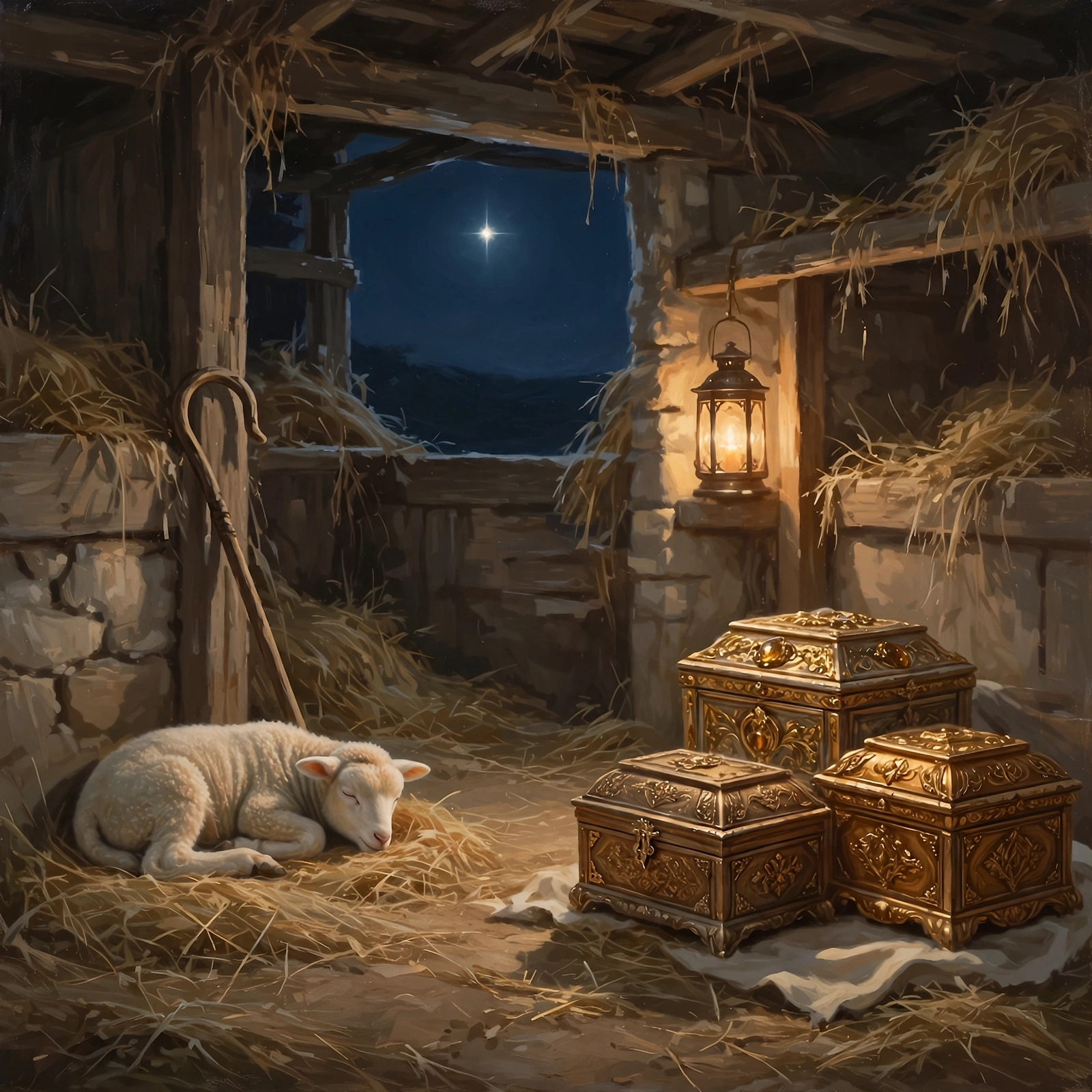
The birth of Jesus Christ is one of the most important moments in human history. It is the moment when the eternal God entered time and space as a vulnerable infant. Yet the circumstances surrounding this divine entrance are anything but ordinary.
God used divine miracles to bring two very different groups of people to the birth of Jesus: lowly Jewish shepherds and wealthy Gentile wise men (magi). Their presence was not a coincidence. It was divinely intentional, revealing profound truths about God's character, His redemptive plan, and how we should respond to Him today.
God’s Call to The Shepherds and the Wise Men at the Birth of Jesus
God’s Message to the Shepherds
As the shepherds kept watch over their flocks in the fields near Bethlehem, heaven itself came to earth. An angel of the Lord appeared to them, and "the glory of the Lord shone around them, and they were terrified" (Luke 2:9).
The angel's message was direct and urgent. It included specific instructions to help them find Jesus:
"Do not be afraid. I bring you good news that will cause great joy for all the people. Today in the town of David a Saviour has been born to you; he is the Messiah, the Lord. This will be a sign to you: You will find a baby wrapped in cloths and lying in a manger." (Luke 2:10-12).
After the heavens erupted with worship, declaring God’s glory and peace, the shepherds immediately left for Bethlehem. They did not hesitate. They wholeheartedly answered God's call to them and became the first witnesses of the newborn Messiah.
God’s Message to the Wise Men
The magi (wise men) were drawn to Jesus by a massive star that lit up the night sky. It was a supernatural phenomenon in the heavens, a divine sign of the newborn King.
These scholars studied the stars and recognised this as a divine signal. In response, they began a long and costly journey. They likely travelled around 800 miles (about 1200 km) to worship Jesus.
"After they had heard the king, they went on their way, and the star they had seen when it rose went ahead of them until it stopped over the place where the child was. When they saw the star, they were overjoyed." (Matt 2:9-10)
So why would God go to such lengths—with angelic visitations, a heavenly choir, and a supernatural star—to bring shepherds and wise men to the birth of Jesus? Let’s look at who the shepherds and wise men were, to get a better understanding.
Who were they?
Who were the Shepherds in the Christmas Story?
In first-century Judaism, shepherds were considered among the most despised members of society. They were viewed as ceremonially unclean because their work prevented them from observing strict religious regulations like Sabbath laws.
Many considered shepherds to be thieves and social outcasts. They often had no civil rights in legal proceedings. Religious leaders branded them as "sinners" and looked down upon them.
The shepherds were generally poor and illiterate people. They belonged to the lowest castes in life and were seen as people of little significance in broader society. Yet God chose them to hear the first announcement of the birth of Jesus.
Who Were the Wise Men in the Bible?
In contrast, the magi were foreign elites from the East, possibly Persia or Babylon. They were part of a powerful class of advisors and scholars who influenced kings and governments. As part of this Magi society, they held immense religious and political influence.
They were wealthy and educated scholars who travelled the known world. They brought lavish gifts—gold, frankincense, and myrrh—to the birth of Jesus. These gifts— likely worth a small fortune— were not random. They carried deep symbolic meaning, pointing to Jesus’ kingship, priesthood, and sacrificial death. (Symbolism in the Christian Faith)
The Significance of Both Shepherds and Wise Men at Jesus’ Birth
Why did God bring both shepherds and wise men to Jesus? Because God is making it very clear who Jesus came for.
These two groups had virtually nothing in common—not language, profession, upbringing, nationality, or religion. Yet both came to worship the same infant King.
God's deliberate choice of these witnesses is like God spreading His arms wide and saying, "From shepherds to wise men, everyone is welcome at My table.”
This foreshadows the universal scope of the gospel message. Salvation through Jesus would be offered to all people:
Regardless of social status
Regardless of ethnicity
Regardless of background or education.
God is revealing that Jesus came for people of all walks of life. Not only for the elite, royalty, or the rich, but also for the average, ordinary, everyday person.
He came not only for the Jewish people (represented by the shepherds), but also for Gentiles (represented by the wise men). He came for people from all cultures, languages, and countries.
The Personal Message Behind the Shepherds and Wise Men
Through these magnificent, carefully orchestrated moments— fulfilling prophecies hundreds of years old—God reveals deep meaning. He is teaching us that Jesus came for everyone. It does not matter what your background is, who you are, where you are from, or what your social or financial status is—Jesus came for you.
The shepherds' role as first witnesses set the tone for Jesus' entire ministry on Earth. He did not choose a life of luxury and power. He chose humble origins and walked the path of humility all the way to death on a cross.
Throughout His ministry, Jesus consistently focused on society's outcasts:
Lepers
Tax collectors
Prostitutes
The demon-possessed
The poor and broken.
If there was hope for despised shepherds, there is hope for everyone. That includes you and me today.
Jesus came for you and loves you more than anything in this world. He has a very important plan for your life and a role for you to fulfil. You have great purpose, just like they had.
The Ultimate Sacrifice and the Kingdom of God
Not only did Jesus come for all of us, but He made the ultimate sacrifice. Through His death and resurrection, we can receive salvation and enter into His full blessings, grace, and love in this life and the next.
He also came to establish the kingdom of God on earth. The wise men’s gifts reflected this:
Gold - pointing to His kingship
Frankincense - pointing to His priesthood and divinity
Myrrh - pointing to His suffering and sacrificial death as Redeemer
Jesus equips us with everything we need to play our part in this kingdom. He calls us to experience His glory and grace in this life and to become instruments of that grace for others.
How We Can Respond Like the Shepherds and the Wise Men Today
This story of the shepherds and wise men is not just a beautiful and meaningful Christmas picture. It is a call to respond.
Follow God’s Call “With Haste” like the Shepherds
The shepherds responded to God’s message “with haste”. They did not argue, delay, doubt, or question. They simply believed and obeyed.
Today, God still calls us to respond to Him quickly and wholeheartedly— without doubt or hesitation. When God speaks, we are invited to move towards Him, towards repentance, towards faith, and towards worship.
Obey and Seek Jesus like the Wise Men
The wise men model another aspect of faithful response. They obeyed God’s leading over a long distance and extended period of time. They trusted God’s guidance one step at a time:
Following the star
Adjusting when they received new revelation
Changing direction after God sent a warning to them in a dream
Their journey cost them. They sacrificed comfort, time, wealth, and convenience. They also laid down their preconceived ideas about power, greatness, and what a king should look like.
We are called to the same kind of obedience today. Following Jesus often means leaving our comfort zones, laying down idols of success and status, and trusting God’s guidance even when the path is not clear.
The Invitation Is Still Open
As they were called then, we are still being called today. God invites us to:
Respond in humble faith
Be enthusiastic witnesses about Jesus
Worship Him as King and Saviour
Accept His love that knows no bounds
The story of the shepherds and the wise men at the birth of Jesus is a message to the lowly and a message to the nations— and to you personally.
They accepted the invitation to come and see the newborn King.
The same invitation remains open today:
“Come, let us adore Him!”